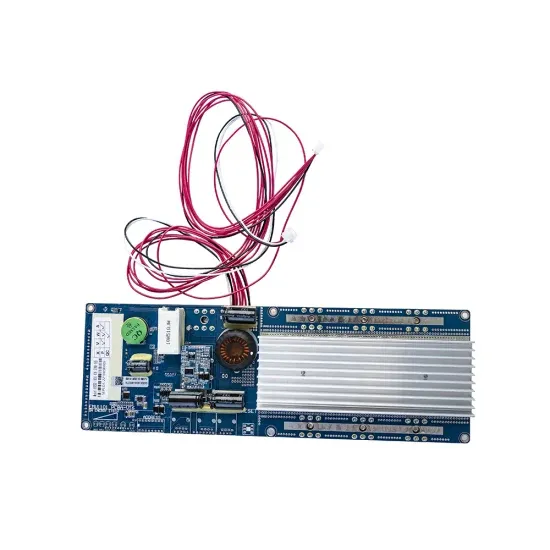
Hybrid energy solutions enable telecom base stations to run primarily on renewable energy sources, like solar and wind, with the diesel generator as a last resort. Regular maintenance and smart monitoring tools are essential for maximizing the efficiency and reliability of hybrid power systems. This will provide a stable 24-hour uninterrupted power supply for the base stations. 1-Why was wind solar hybrid power generation technology born? Traditional solar. . The system integrates a 4. The solar wind power system control cabinet is composed by wind turbine module, solar MPPT module, inverter power source, and monitor unit,etc.
[PDF Version]
Distribution lines collect electricity at the wind farm and transport it to network transmission lines to be used where needed. Distributed wind systems are connected on the customer side of the meter to meet the onsite load or directly to distribution or microgrids. The wind turns the propeller-like blades of a turbine around a rotor, which spins a generator. . Understanding the connection of wind turbines to the power grid is crucial for comprehending how renewable energy is harnessed and integrated into our daily lives. A wind turbine turns wind energy into electricity using the aerodynamic force from the rotor. . A wind turbine system is a complex structure that harnesses the power of wind to produce electricity.
[PDF Version]
At first glance, wind turbines seem to rotate slowly—especially the massive wind blades. Why is that? The answer lies in aerodynamic design, mechanical engineering, and power system integration. Yet, these low-speed giants can generate megawatts of power reliably. Let's explore the science and. . How can windmills create electricity if they're so often moving slowly? The short answer is that if they move slowly, they produce less power. If there is too little wind and the. . Learn why there are three blades, why they are so high and why they are so slow as well as how they generate electricity. This page offers a text version of the interactive animation: How a Wind Turbine Works.
[PDF Version]
Wind turbines require a minimum wind speed (generally 12-14 km/h) to begin turning and generating electricity, and strong winds (50-60 km/h) to generate at full capacity. Large-scale wind turbines typically start turning in winds of seven to nine miles per hour, with top speeds. . In this guide, we dive deep into five essential wind speed facts that affect wind turbine performance, output, and system viability. For optimal energy output, the cut-out speed should be 25-55 mph. As wind speed increases, power output escalates until the rated wind speed is achieved and the turbine produces maximum. . Understanding the specific wind speeds required for a turbine to begin, maximize, and cease operation is fundamental to assessing the viability of any wind energy project. Continue reading for an overview of small wind turbines, a more in-depth. .
[PDF Version]
8-90 kWh of energy can be produced by a wind turbine, depending on its energy capacity and size. The table below shows energy output generated by wind turbines of different power capacities: How much energy does a 500W wind turbine produce? 9 kWh per day as the actual output. hat would mean that one wind farm could produce 300,00 MW a year. From my experience managing utility-scale wind projects, I've consistently observed that site-specific factors—such as average wind. . Every year, wind turbines produce about 434 billion kilowatts (kWh) of electricity a year. Wind is the third largest source of electricity in the United States with 40 of the 50 states having at least one wind farm. This information is crucial for assessing the viability and profitability of wind energy. .
[PDF Version]
Wind turbines use blades to collect the wind's kinetic energy. Wind flows over the blades creating lift (similar to the effect on airplane wings), which causes the blades to turn. How does wind produce energy? It's a fairly simple process: When. . Scientists and engineers are using energy from the wind to generate electricity. As renewable energy technology continues to advance and grow in popularity, wind farms like this one have become an increasingly common sight along hills. . They generate electricity by capturing the kinetic energy of the wind and converting it into mechanical power, which is then transformed into electrical energy.
[PDF Version]
 Menu
Menu