


How Do Wind Turbines Work?
Wind turbines work on a simple principle: instead of using electricity to make wind—like a fan—wind turbines use wind to make electricity. Wind turns the propeller-like blades of a turbine around a rotor,

How does a wind turbine generate electricity?
As the blades turn, the rotor spins a shaft connected to a generator. The generator then converts this mechanical energy into electrical energy. The

Generating Electricity: Wind Power
We can use moving air, or wind, to generate electricity. This is called wind power. In 2021, Canada had the ability to generate 14 300 MW of wind power. Did you know? About 5% of the

How Does Electricity Become Created From Wind Energy?
Mechanical or electrical power is created through the kinetic energy of the wind. In modern wind turbines, wind rotates the rotor blades, transforming the kinetic energy of air in motion

Electricity generation from wind
Wind flows over the blades creating lift (similar to the effect on airplane wings), which causes the blades to turn. The blades are connected to a drive shaft that turns an electric generator,

How is electricity generated using wind?
It''s a fairly simple process: When the wind blows, the turbine''s blades spin which captures energy. This energy is then sent through a gearbox to a generator,
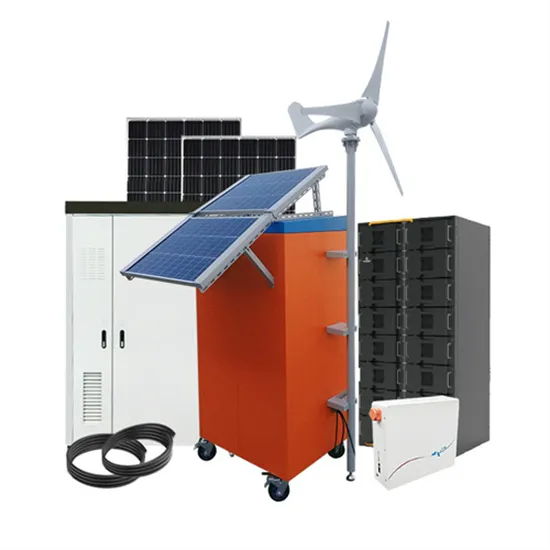
How Is Electricity Generated By Wind Turbines?
Wind turbines convert the kinetic energy of the wind into usable electricity through a process involving blades, a generator, and sophisticated control systems; in short, wind energy is

Wind Energy
Wind energy, or wind power, is created using a wind turbine, a device that channels the power of the wind to generate electricity. The wind

How does wind energy work?
The energy in the wind turns the blades that are connected to the main shaft, which turns and spins a second shaft, which spins a generator to create electricity.

How does wind generate electricity 50 words
They generate electricity by capturing the kinetic energy of the wind and converting it into mechanical power, which is then transformed into electrical energy.
PDF version includes complete article with source references. Suitable for printing and offline reading.