Unlike traditional Horizontal Axis Wind Turbines (HAWTs), vertical turbines capture wind from all directions simultaneously, removing the necessity for orientation mechanisms like yaw controls. . A vertical windmill, known technically as a Vertical Axis Wind Turbine (VAWT), is a wind-powered energy device in which the rotor shaft is oriented vertically. A VAWT is a type of wind turbine (WT) known for its compact design, ease of maintenance, and competence in. . The world's tallest vertical-axis wind turbine, in Cap-Chat, Quebec. It is 110 m tall and produces 4 MW of power. This article delves into what vertical-axis wind turbines are, their working principles, design variations, advantages. . While traditional horizontal-axis wind turbines (HAWTs) have been the standard for decades, a new and innovative alternative is gaining momentum—Vertical Axis Wind Turbines (VAWTs). These turbines are simpler in design. .
[PDF Version]
Wind turbines use blades to collect the wind's kinetic energy. Wind flows over the blades creating lift (similar to the effect on airplane wings), which causes the blades to turn. Historically, wind power was used by sails, windmills and windpumps, but today it is mostly used to generate electricity. Today, wind power is generated almost. . Wind turbines work on a simple principle: instead of using electricity to make wind—like a fan—wind turbines use wind to make electricity. Capture of Wind Kinetic Energy The process begins with the capture of the. . The simplified wind power value chain described in this article illustrates the interdependence between the supply-side, comprising of the value chain stages “wind turbine generator (WTG) manufacturing” and “WTG system deployment”, and the demand-side “WTG system use”. With each manufactured and. .
[PDF Version]

The wind turbine includes a generator, blades, a mounting that maintains it in the wind, a tower, batteries, and essential equipment such as stop/start switches and charge controllers. Spare parts, mounting kits, and air turbine servicing are also necessary for the wind farm's. . Wind turbines are crucial components of any wind energy system, converting the kinetic energy of wind into electricity. 5-kilowatt wind turbine can meet the needs of a home requiring 300 kilowatt-hours per month in a location with a 14 mile-per-hour annual average wind speed. They convert the. . Harnessing the wind to make electricity and meet at least a portion of your power needs provides immediate and long-term environmental and financial benefits. Using wind energy to generate. . Equipment can be anything used by companies to erect or maintain a wind farm. This small space will deal mostly with cranes because these have been specialized to lift heavy loads to considerable heights, mostly in response to a quest for taller towers. This process involves several key components and principles: Wind Turbines: The primary devices used to capture wind energy. They consist of blades, a rotor, a nacelle, and a tower. Each type harnesses energy from a specific source.
[PDF Version]
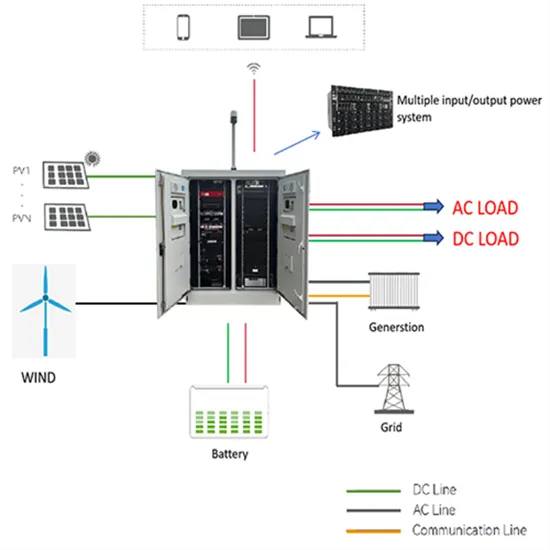
A solar-wind hybrid system is an integrated power setup. It generates electricity from both solar panels and a wind turbine, stores that energy in a battery bank, and can optionally remain connected to the utility grid. Solar panels take care of power generation during the daytime when wind speed is slower, and wind turbines take care of power generation at night when solar. . Wind-solar hybrid systems represent a breakthrough in renewable energy technology, combining the complementary strengths of solar photovoltaic panels and wind turbines to deliver consistent, reliable power generation.
[PDF Version]
Unless you have an off-grid system (not connected to utility service lines), we recommend that you turn off your PV system to isolate it from the utility to prevent a power surge from the grid. Disconnect the PV System from the grid before the storm hits. . When solar panels are dislodged from a structure due to high winds, immediate actions are required to ensure safety and facilitate potential recovery. Safeguard against further damage by securing unstable panels, 3. Inform local authorities or your. . What should operators do after a storm – and how can the damage be repaired or prevented? This guide provides you with specific assistance in the event of storm damage to your PV system. What causes damage by storms to PV systems ? Photovoltaic systems are generally designed to withstand wind and. . Solar photovoltaic (PV) panels are attached to the roof securely and designed to withstand the gusty wind conditions of most storms. Let's dig into it and see if we can. .
[PDF Version]

With the help from Sadid Industrial Group (Iranian manufacturing company) and investments as well as resources from Indian (Sulzon Energy) and German (Siemens) wind turbine companies, Iran has been able to build a strong and stable wind sector. [1]. Need More Details on Market Players and Competitors? This report lists the top Iran Wind Energy companies based on the 2023 & 2024 market share reports. . Identify and compare relevant B2B manufacturers, suppliers and retailers Max. Dana Energy is actively involved in the energy sector, with a focus on renewable energy solutions alongside its core activities in oil and gas exploration and production. The IGMC (Iran Grid Management Company) six-month report for 1404 (March 21, 2025 – September 22, 2025) reveals that MAPNA Group holds. . The Iranian wind power industry, currently experiencing robust growth, presents a compelling investment opportunity. With a compound annual growth rate (CAGR) exceeding 7% from 2019-2033, the market is projected to reach significant value within the next decade. There are 2 wind turbine manufacturers in Iran, Islamic. . Provider of Solar Panel (PV), Solar Charge Controller, Off-Grid Inverter, Grid Connected Inverter, Solar Microinverter, Solar Central Inverter, Solar String Inverter, Solar Power Solutions, Solar Accessories like Solar Installation Rack and Mounting Fixtures, MC3 and MC4 Connectors, Solar Cable and. .
[PDF Version]
 Menu
Menu