Photovoltaics (PV) is the conversion of into using that exhibit the, a phenomenon studied in,, and . The photovoltaic effect is commercially used for electricity generation and as . A employs, each comprising a number of,.
[PDF Version]

Photovoltaic modules are tested under standard conditions of 25 °C, with temperature coefficients for different technologies ranging from -0. When the temperature rises from 25 °C to 70 °C, output power can drop by 10%–20%, while 20–30 °C is closer to the. . The following inverter models operate at full power and full current up to the ambient temperatures listed in the table. These inverters operate at reduced ratings up to 140°F (60°C) according to the graphs below. The graphs describe the reduction in current relative to ambient temperature. The. . How to calculate PV inverter component temperature? Similarly the PV inverter component temperature can be calculated by: (1) T C = T A +D T H +D T Cwhere T A is ambient temperature,D T H is heat sink temperature rise,D T C is component temperature rise. The rated power as generally indicated on the module's label is measured at 25 degrees Celsius, and with any temperature increase above. . Temperature derating occurs when the inverter reduces its power in order to protect components from overheating.
[PDF Version]
Get profiles of Middle East Solar Power companies - leading, established, and top emerging players - with analyst insights, competitive matrices, and strategic positioning details of these firms. Mordor Intelligence analysts find that these companies compete through regional customization, operational. . Market Forecast by Countries (Saudi Arabia, UAE, Kuwait, Qatar, Bahrain, Oman, Turkey and Rest of Middle East), By Type (Silicon crystal type module, Film module), By Application (Household, Commercial) And Competitive Landscape How does 6W market outlook report help businesses in making decisions?. Middle East Thin Film Photovoltaics PV Market is worth USD 1. 9 Bn, led by UAE and Saudi Arabia, with CdTe segment at 59% share and growth from solar energy adoption. The Middle East Thin Film Photovoltaics PV Market is valued at approximately USD 1. 4 billion by 2029, growing at a CAGR of 15. Major players in the thin-film photovoltaic market include First Solar (US), KANEKA CORPORATION (Japan), Oxford. . As renewable energy adoption accelerates, thin film solar panels have gained prominence due to their lightweight design, flexibility, and lower manufacturing costs. These modules are ideal for diverse applications, from building-integrated photovoltaics to portable power sources. 0% CAGR during the forecast period (2023-2030). A hard substrate consisting of glass, plastic, or metal may. .
[PDF Version]
They also provide thermal insulation and UV protection, improving indoor comfort and reducing HVAC loads. This guide covers best practices, industry data, and innovative solutions to optimize your solar projects in harsh environments. Why Waterproofing Matters in Double Glass. . ed in the January of 2012. Each module has only one bar code. This bar code is inserted prior to lamina in 50V DC or 240W, where general contact access is anticipated. Modules qualified for. . To understand better the long-term effects of humidity on durability of glass-glass modules, Austrian researchers carried out lengthy damp-heat tests on double glass modules made with EVA and POE encapsulants. Unlike traditional framed panels, these modules use tempered glass on both sides without a metal frame, offering superior resistance to moisture. . Note: Your Enquiry will be sent directly to TN Solar Co.
[PDF Version]

Optimal Conditions: Flat or gently sloped land (up to 5 degrees) is preferred for ease of installation and maintenance. Single-Axis Trackers: These systems, which follow the sun's path to maximize energy capture, are typically suitable for slopes up to 10 degrees. . Challenges in siting solar PV plants range from topographical variations to environmental constraints, adding an extra burden for solar developers to consider when selecting a location for solar project development. Here are the main challenges engineers face when kickstarting their site selection. . Solar photovoltaic (PV) panels convert solar energy into clean, renewable electricity. Their efficiency and sustainable application are highly dependent on precise terrain analysis and optimal site selection. Understanding the relationship between altitude and solar energy is crucial for homeowners looking to install or optimize. . When it comes to designing solar plant projects, the topography is incredibly important. Read on to find out how to best plan your solar project with topography restrictions Utility-scale solar photovoltaic (PV) plants have typically been built on flat, open spaces with minimal variation in the. . ™ is PVH's smart system that makes tracker installation easier and improves performance on irregular or sloped terrain. Hilly, rocky, and uneven sites can drive up earthworks, extend project timelines, and increase environmental impact.
[PDF Version]
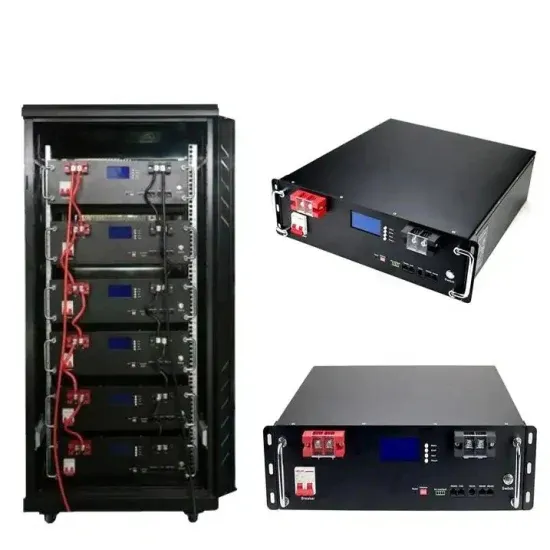
High-Efficiency Conversion – 125kW PCS delivers 98. 5% peak efficiency with grid-forming capability (IEEE 1547 compliant). . All-in-One Outdoor Energy Storage Cabinet integrates a 125kW bi-directional PCS inverter and 215kWh LiFePO4 battery into a rugged, space-saving solution for commercial/industrial applications. This article explores how companies, like MK ENERGY, design and. . Scalable from 215kWh to multi-MWh configurations for flexible industrial needs. IP54-rated outdoor cabinet withstands extreme temperatures, dust, and moisture. Ideal for industrial, commercial & utility-scale energy storage systems. 1874, offers a promising location for solar energy generation throughout the year. This Northern Sub-Tropical city experiences varying levels of solar potential across the seasons, with notable differences between summer and winter. .
[PDF Version]
 Menu
Menu


