Bioenergy is a type of that is derived from plants and animals. The that is used as input materials consists of recently living (but now dead) organisms, mainly plants. Thus, are not regarded as biomass under this definition. Types of biomass commonly used for bioenergy include wood, food crops such as corn, and waste from forests, yards, or farms. Bioenergy can al.
[PDF Version]
From batteries to mechanical and thermal storage, we'll dive into the five categories that are transforming the way we harness and store energy in a sustainable and efficient era. They are also referred to as clean energy as they do not contribute to carbon emissions, which makes them non-polluting. These energy sources mainly cater to areas like-generation of. . Renewable energy is energy from sources that are naturally replenishing but flow-limited; renewable resources are virtually inexhaustible, but they are limited by the availability of the resources. The most widely used renewable energy types are solar energy, wind power, and hydropower. Currently the most popular energy sources are: Each source has its own strengths and weaknesses, and only with a combination of all of them can we hope to reach net zero.
[PDF Version]
In recent years, Japan has steadily expanded its electricity production from renewable energy sources. Furthermore, the country intends to become entirely. . Japan faces substantial challenges in managing its energy trade deficit and high end-user costs while aggressively pursuing decarbonization targets amidst geopolitical tensions. These approaches can be scaled nationally by reforming transmission regulation and financing, supporting proactive zoning and planning, promoting the use of power purchase agreements an's renewable energy targets and actual deployment. While. . It is estimated that the share of renewable energy in Japan's total electricity generation including self-consumption for the calendar year 2024 was 26. It is updated once a year, based on statistical data published by governments and research institutes, and provides basic information on the status of renewable electricity. .
[PDF Version]
Renewable energy, usable energy derived from replenishable sources such as the Sun (solar energy), wind (wind power), rivers (hydroelectric power), hot springs (geothermal energy), tides (tidal power), and biomass (biofuels). The major types of renewable energy sources are: Download image U. As of 2017, wind turbines, like the Braes of Doune wind farm near Stirling, Scotland, are now producing 539,000 megawatts of power around the world—22 times more than 16. . Renewable energy is energy from sources we cannot run out of. By Hannah Ritchie, Max Roser, and Pablo Rosado This page was first published in December 2020. Since the Industrial Revolution, the energy mix of. .
[PDF Version]
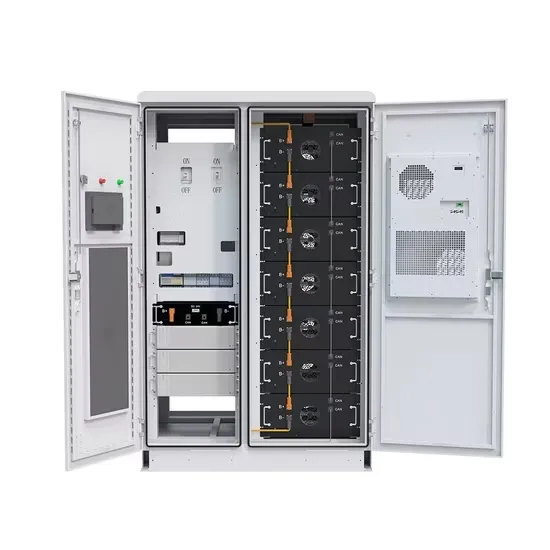
If you're a utility seeking large-scale, proven solutions, companies like Fluence, Siemens Energy, and ABB are strong choices due to their extensive project experience and robust technology. . An energy storage system integrator, based on a full understanding of the performance of batteries, PCS, containers and other components, is specialized in combining energy storage component subsystems and ensuring that these subsystems are integrated as a whole according to operating scenarios and. . The Energy Storage System Integrator sector is evolving rapidly, with vendors offering diverse solutions tailored to different needs. Choosing the right partner can be complex, given the variety of technologies, scales, and service models available. Explore the 2025 Energy Storage System Integrator. . Envision Energy Storage is a vertically integrated provider covering the full BESS value chain, from R&D to MV connection. Envision's smart. . Copyright © 2023 GCL-SI. ESS enables efficient capture, bolstering grid stability and maximizing renewable energy integration.
[PDF Version]
The share of renewable energy for Belgium increased by a factor of 6. 3 between 2005 and 2023, reaching 14. This was mainly due to electricity and transport, for which the share of renewable energy sources increased by factors of 13 and 18, respectively, over. . The indicator shows the gross final consumption of energy from renewable energy sources (RES), expressed as a share of the gross final consumption of energy from all sources. Nonetheless, the European Union aims for around 20 percent of the energy. . Thus, 2025 not only marks the rise of a new generation but also the formation of new government coalitions, bringing fresh priorities for energy and climate policy. Renewable. . The transition to green energy is still becoming increasingly important as organizations navigate regulatory frameworks such as the Clean Industrial Deal, CSRD, or RED II, and national directives that mandate investment in renewable energy.
[PDF Version]
 Menu
Menu


