Wind turbines use blades to collect the wind's kinetic energy. The blades are connected to a drive shaft that turns an electric generator, which produces. . Wind turbines work on a simple principle: instead of using electricity to make wind—like a fan—wind turbines use wind to make electricity. Wind flows over the blades creating lift (similar to the effect on airplane wings), which causes the blades to turn. . In a conventional power plant (fueled by coal or natural gas), combustion heats water to steam and the steam pressure is used to spin the blades of a turbine. This action induces electric. .
[PDF Version]

Choose from a wide range of containerized solar units, hybrid PV-storage systems, wind-solar integrated cabinets, and mobile power stations. All-in-one solar and battery systems (20KWh–430KWh) for hybrid energy supply, designed for off-grid and backup scenarios. Highjoule powers off-grid base stations with smart, stable, and green energy. Highjoule's site energy solution is designed to deliver stable and reliable power for telecom. . Solar photovoltaics (PV) and wind power have been growing at an accelerated pace, more than doubling in installed capacity and nearly doubling their share of global electricity generation from 2018 to 2023. This report underscores the urgent need for timely integration of solar PV and wind capacity. . The DH Series All-In-One Wind-Solar Hybrid High-Frequency Inverter Controller is a fully integrated, customizable solution that combines wind power generation, photovoltaic (PV) power generation, and inverter systems into a single, compact unit. By leveraging intelligent control and high-frequency. . At the Phase I site of the China Energy Engineering Group Co., Ltd (Energy China) Songyuan Hydrogen Energy Industrial Park, the "wind-solar-hydrogen-ammonia-methanol integrated" model is revolutionizing the hydrogen production landscape. This project encompasses the entire industrial chain. .
[PDF Version]
Most of what you would call large-scale wind turbines typically start turning in winds of seven to nine miles per hour. Their top speeds are around 50-55 mph, which is their upper safety limit. . The environmental payback period refers to the time it takes for a wind turbine to generate energy used during manufacturing and installation. Wind turns turbine blades, which spin a shaft, which is then turned by a gearbox to a second shaft that spins faster. This energy is sent to a generator. . Wind turbines work on a simple principle: instead of using electricity to make wind—like a fan—wind turbines use wind to make electricity. A site with 12 mph wind may appear only slightly better than one with 10 mph wind, but in energy terms, it can result in over 70% more. . Upwind turbines face into the wind, while downwind turbines face away. See more details on how windy it needs to be ? Sufficient separation from noise-sensitive. .
[PDF Version]
The rotor is connected to a shaft, which turns a generator. The generator converts the mechanical energy of the rotating shaft into electrical energy. This enables owners and operators to reap a multitude of benefits, including a massive reduction of operation and maintenance complexity and costs, optimizing power output, asset health, and. . Wind turbines have become an essential part of modern renewable energy infrastructure. At the heart of each wind turbine is the. . Explore the workings, types, and benefits of wind turbine generators along with the challenges and future of wind energy. Wind turbine generators, often simply referred to as wind turbines, are innovative devices that harness the power of wind and convert it into usable electricity.
[PDF Version]
Wind turbines are designed for specific conditions. During the construction and design phase assumptions are made about the wind climate that the wind turbines will be exposed to. Turbine wind class is just one of the factors needing consideration during the complex process of planning a plant. Wind classes determine which turbine is suitable for the normal wind conditions of a particular site. Turbine classes are determined by three parameters - the average wind speed, extrem.
[PDF Version]
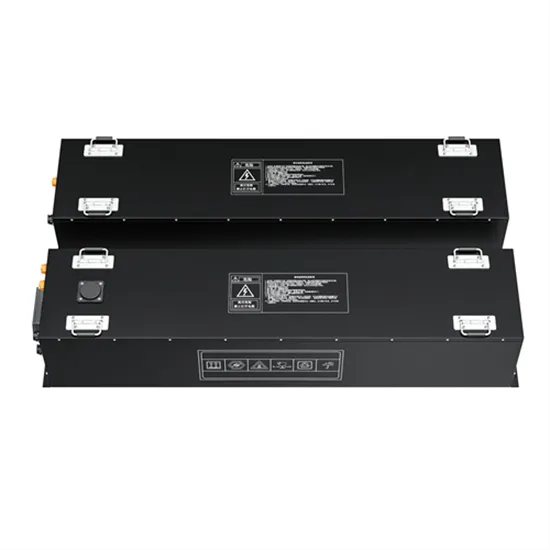
You get the highest efficiency for telecom cabinet power when you use a hybrid Grid+PV+Storage system. Telecom Power Systems now use renewables like solar and wind at a global adoption rate of 68%. . A hybrid power system for telecom towers is a holistic energy management solution that relies on at least two energy sources to provide power for base station telephony installations in telecommunication companies. Typically, in contemporary technology implementations, these include: The basic. . Hybrid wind-solar power systems offer telecommunications operators a transformative solution that delivers reliable 24/7 renewable energy while potentially reducing operational expenses and environmental impact. Modern telecommunications infrastructure demands uninterrupted power for critical. . According to our latest research, the global telecom tower hybrid solar-wind-battery market size reached USD 2. Solar panels charge the system in daylight, while generators support it at night. Off-Grid Solar Powered Site, UAE.
[PDF Version]
 Menu
Menu


