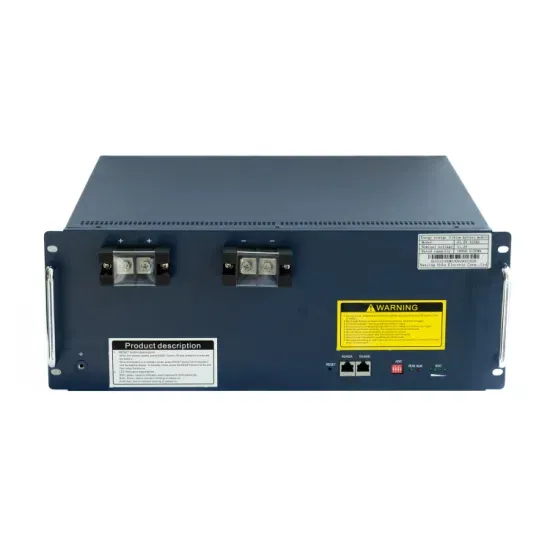
A microgrid is capable of operating in grid-connected and stand-alone modes and of handling the transition between the two. In the grid-connected mode, can be provided by trading activity between the microgrid and the main grid. Other possible revenue streams exist. In the islanded mode, the real and reactive power generated within the microgrid, including that provided by the energy storage system, should be in balance with the demand of local loads. Microgrids offer an option to bal.
[PDF Version]

The policy focus is on energy security, least‑cost generation, and rural access, creating opportunities for grid‑tied renewables, mini‑grids and productive‑use of electrification for agriculture and MSMEs. Several mini-grid electrification projects have been piloted in recent. . Lesotho's power mix is anchored by hydropower and imports from the Southern African shared power grid. As of July 2025, Lesotho has electrified 303,074 households through grid extension and an additional 840 households through mini-grids, contributing o the country's overall electrification efforts. However, with 569,631 total households, a. . An agreement known as a Power Purchase Agreement (PPA) allows a solar system provider to install, own, and run a photovoltaic (PV) installation at your home or an off-site location. It oversees national energy planning, coordination, and management to support economic growth and environmental sustainability. The DoE also. . eng, Thaba-Tseka. The school is one of the eight facilities electrified during the initial year of implementation of the Access to Affordable Renewable Energy (AARE), implemented by UNDP with EU funding as part of the Renewable Lesotho Programme, as well as contributions from the Government of. . The energy balance of Lesotho is characterised by huge dependence on biomass fuels to meet the basic needs of cooking and space heating by the majority of the population in the rural areas.
[PDF Version]

Solar offers a decentralized, cost-effective solution for regions historically left behind. Incentives Driving Rural Solar Growth The Inflation Reduction Act and USDA programs have unlocked major rural solar incentives in 2025: Combined, these can reduce total project costs. . A renewable energy certificate (REC) is a market-based instrument that represents the property rights to the environmental, social, and other non-power attributes of renewable electricity generation. Solar RECs (SRECs) are created for each megawatt-hour of electricity generated from solar energy. . Across the country, solar farms have experienced rapid growth, supported by advancements in technology, cost reductions, and policy initiatives such as state-level renewable portfolio standards and tax credits. As shown in Map 1, roughly 18% of ground-mounted PV facilities in the U. were. . Alternative energy sources such as wind, geothermal, hydro and solar have grown increasingly popular as ways to reduce greenhouse gas emissions and strengthen the grid by decentralizing power production. Solar energy, which converts energy from the sun into thermal or electrical power, is rapidly. . While urban centers have dominated early clean energy adoption, rural communities across the U. are stepping into the spotlight in 2025. From Thompson's solar farms and dairy digesters to Moloka'i's microgrids and Imperial Valley's. .
[PDF Version]
The One Big Beautiful Bill Act (the OBBB) signed in July 2025, as well as subsequent guidance issued by the federal government, significantly rolled back the core tax incentives that clean energy projects have relied on since 2005. . There is a patchwork of federal, state, and local policies and regulations pertaining to renewable energy systems that impact your project development. While it is still too early to tell the immediate and long-term. . In the opening days of the Biden Administration, the President issued Executive Order 14008, directing the Administration to focus on actions to address climate change. As the Trump Administration. . By the authority vested in me as President by the Constitution and the laws of the United States of America, it is hereby ordered: Section 1.
[PDF Version]

The German government has set forth an ambitious goal of 15 million electric vehicles (EVs) deployed on German roads by 2030. 4 million battery-electric vehicles (BEV); and 900,000 plug-in hybrids . . Germany has been a leading proponent of electric vehicles, implementing a range of policies and initiatives to accelerate the adoption of electric vehicles in the country. The drop-off in sales was sharp enough to prompt a policy reversal. Now, not only are purchase incentives making a comeback from January 1, 2026, but. . Private individuals can receive up to €6,000 depending on household income and vehicle price. BEVs and fuel-cell vehicles first registered by 31 December 2025 are exempt from vehicle tax for up to 10 years, though no later than 31 December. . The 'Industrial Accelerator Act' is the long-awaited strategy from EU Industry Commissioner Stéphane Séjourné, designed not only to support the growth of European industry but also to make the EU more independent from the US and China in key sectors.
[PDF Version]
This toolkit presents a high-level overview of federal and state policies and programs with an impact on solar energy development. State Solar Carve-Out Programs - Learn about which states. . As presented in Figure 1, solar prices have decreased significantly over the last decade (REN21 2014) and in 2013, new capacity installation of solar electricity from photovoltaics (PV)1 surpassed all other renewable energy technologies worldwide—excluding hydropower—with 39 gigawatts installed. . Over the last 15 years, solar photovoltaics (PV) has developed from a niche electricity generation technology to the most rapidly expanding renewable energy (RE) resource. During this period, major developments have occurred in the solar PV industry and in related policy areas including (1) a. . The Market Stimulation section evaluates the ability of current and proposed policies to incentivize solar technology supply and demand. The Reducing to encourage solar market growth.
[PDF Version]
 Menu
Menu