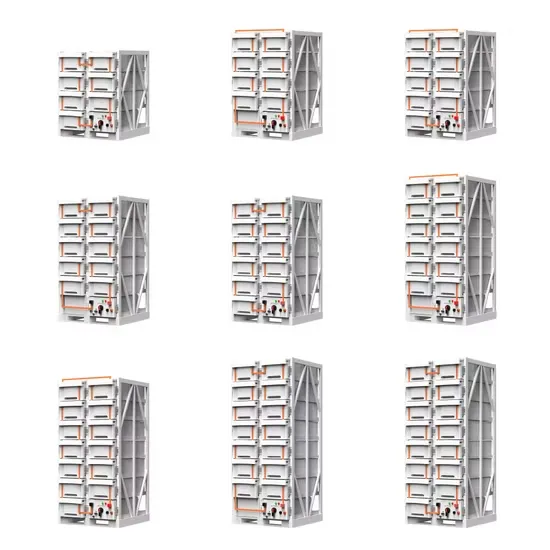
Batteries on a large scale can store extra energy that wind turbines make and then release it when demand is high or wind speeds are low. This. . Wind turbines are a great way to generate clean, renewable energy. We pump it into the grid as it's produced and use it to cover the load elsewhere in the system.
[PDF Version]
However, storing excess wind energy is a complex process that requires innovative solutions such as battery technology, pumped storage, and thermal energy systems. These systems can enhance grid efficiency by utilizing compressed air, flywheel storage, and hydrogen production. . Wind energy, a form of solar energy, is generated by wind turbines and is distributed along the electricity grid power lines to consumers. You'll find options that cater to various needs, whether it's extensive home power storage or portable solutions for on-the-go energy.
[PDF Version]
You store renewable energy in batteries by converting solar or wind power into chemical energy inside advanced lithium-ion battery systems. This method addresses efficiency and reliability, especially as global battery storage investment reached $20 billion in 2023. Solutions like the Tesla. . Storing solar energy is crucial for maximizing its use and efficiency. You'll find options that cater to various needs, whether it's extensive home power storage or portable solutions for on-the-go energy. But not all batteries are created. .
[PDF Version]
In contemporary energy paradigms, the storage of wind power is achieved through several innovative technologies and strategies, including (1) battery storage systems, (2) pumped hydroelectric storage, (3) compressed air energy storage, and (4) flywheel energy storage. Batteries on a large scale can store extra energy that wind turbines make and then release it when demand is high or wind speeds are low. However, one of the most common questions is: how do wind turbines store energy? Unlike traditional power plants that provide consistent energy supply. . This Topical Digest provides a reading list on the issue of utilising large-scale energy storage methods coupled to an intermittent energy source, like wind. Although energy storage does not produce energy—in fact, it is a net consumer due to. . Wind power will increase balancing needs in the power system. Today system operators balance by adjusting output levels of some of the power plants.
[PDF Version]
But here's the kicker – the ones with integrated energy storage systems have become 18% more affordable since 2023. Let's unpack what's driving this price shift. This guide provides actionable data for businesses, project developers, and policymakers navigating Egypt's dynamic energy storage market. AMEA Power, a. . It adopts an ambitious strategy to diversify energy sources, rely on renewable energy, improve energy efficiency, and work to reduce carbon emissions, lower production costs, and ensure equitable access to energy for all The Ministry works to achieve sustainable energy security, plan and implement. . According to the developers, the $700 million giant project will be Africa's largest single-site hybrid renewable facility. Amea Power began construction before financing was completed.
[PDF Version]

According to the latest industry data, the Wind Energy Price Trend in 2025 continues its downward trajectory, driven by economies of scale, improved turbine efficiency, and competitive bidding in power purchase agreements (PPAs). . The data and results in this analysis are derived from the prior year's 2023 commissioned plants, representative industry data, and state-of-the-art modeling capabilities used to inform Fiscal Year 2024 values in the report. The authors would like to thank Patrick Gilman (U. Total installed costs for renewable power decreased by more than 10% for all technologies between 2023 and 2024, except for offshore wind, where. . Summary: Wind power storage is reshaping renewable energy economics by balancing supply-demand gaps and reducing costs. Department of Energy's (DOE) Energy Storage Grand Challenge is a comprehensive program that seeks to accelerate. . Renewable Energy Has Achieved Cost Parity: Utility-scale solar ($28-117/MWh) and onshore wind ($23-139/MWh) now consistently outcompete fossil fuels, with coal costing $68-166/MWh and natural gas $77-130/MWh, making renewables the most economical choice for new electricity generation in 2025.
[PDF Version]
 Menu
Menu