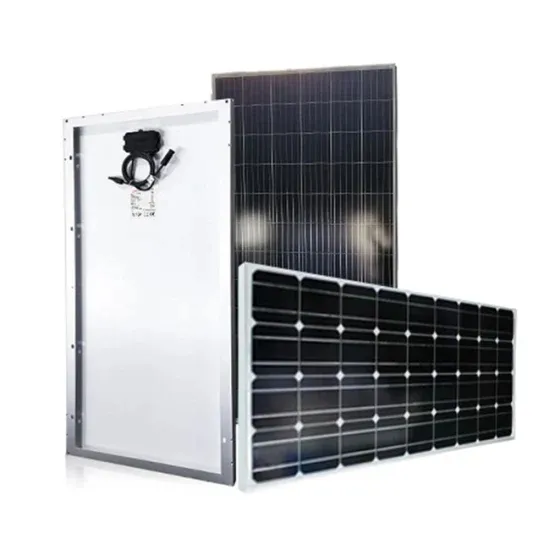
With a thermal expansion coefficient of approximately 2. 6×10⁻⁶/°C—lower than polycrystalline silicon (3. For context, a 60-cell panel measuring 1. 7 meters in length might expand by just 0. In fact virtually all materials exhibit some linear dimensional change as a function of temperature change and accordingly, a Coefficient of Thermal Expansion is material property that is typically determined by empirical. . of air and power output is also considered. Abstract The higher operating temperature of photovoltaic panels (above the standard operating temperature,usually 25 ° V panel temperature changes with tilt angle. The inclined. . We develop a three-dimensional FEM model, which models the PV module geometry in detail from busbar and ribbons up to the frame including the adhesive. The FEM model is validated by mechanical load tests on. . Mono silicon's crystalline structure gives it an inherent advantage. Energy Ratio, total measured production divided by total model production, thus considering the effects of both Availability and Performance. .
[PDF Version]
The arrangement of PV cells into a module changes the flow of heat into and out of the module. 1- Thermal expansion gap between panels: Installation usually calls for at least 3/8" between. Disclosed are devices and a system for compensating for thermal expansion and contraction of rail mounted solar panel rooftop. . The design rules are derived from a comprehensive finite element method simulations. The FEM model is. . material property that is typically determined by empirical methods. . This comprehensive review delves into the intricate relationship between thermal effects and solar cell performance, elucidating the critical role that temperature plays in the overall efficacy of photovoltaic systems. The primary objective of this review is to provide a comprehensive examination. .
[PDF Version]

In this study, we analyzed the problem of increasing PV cell temperature in three characteristic points: MPP, short circuit and open circuit. . l expansion is one of many important structural design considerations. In fact virtually all materials exhibit some linear dimensional change as a function of temperature change and accordingly, a Coefficient of Thermal Expansion is material property that is typically determined by empirical. . When it comes to durability under temperature fluctuations, mono silicon solar panels demonstrate a fascinating interplay between material science and engineering. Let me break this down from both technical and practical perspectives, drawing on industry data and real-world examples. Mono silicon's. . Hi there, I have the following two questions if anyone has the answer. 1- Thermal expansion gap between panels: Installation usually calls for at least 3/8" between. Disclosed are devices and a system for compensating for thermal expansion and contraction of rail mounted solar panel rooftop. . The design rules are derived from a comprehensive parameter sensitivity study of different PV module layers and material properties by finite element method simulations. Temperature fluctuations, a hallmark of real-world environmental conditions, exert a profound influence on the performance of these modules.
[PDF Version]
Modern panels reach 18–23% efficiency. That means they convert about one-fifth of sunlight into usable power. But efficiency is only part of the story. Real-world performance changes with temperature, shading, tilt angle, and even the quality of the inverter or battery. The efficiency of the solar cells used in a photovoltaic system, in combination with latitude and climate, determines the annual energy output of the. . The conversion efficiency of a photovoltaic (PV) cell, or solar cell, is the percentage of the solar energy shining on a PV device that is converted into usable electricity. Higher efficiency means: How Is. . Solar energy can be harnessed two primary ways: photovoltaics (PVs) are semiconductors that generate electricity directly from sunlight, while solar thermal technologies use sunlight to heat water for domestic uses, to warm buildings, or heat fluids to drive electricity-generating turbines.
[PDF Version]

According to the IPCC, the carbon footprint of rooftop solar panels is roughly 12 times less than natural gas and 20 times less than coal, in terms of CO2 emissions per kWh of electricity generated. However, rooftop solar has a larger carbon footprint than hydro, nuclear, and onshore. . As the photovoltaic (PV) industry continues to evolve, advancements in best pollution coefficient for photovoltaic panels have become critical to optimizing the utilization of renewable energy sources. From innovative battery technologies to intelligent energy management systems, these solutions. . Untreated stormwater can contain oil, chemical, excess nutrients (phosphorus and nitrogen), toxic metals, disease-causing organisms that can damage environmental and human health. Due to the many advances in photovoltaic technology over the last decade, the average panel conversion efficiency has increased from 15% to over 24%. . Solar panels provide clean, renewable energy from the sun, and their prevalence as an energy source has been growing. 1 is present in a desert in Nevada, suggesting the high solar irradiation in deserts. The first key term to define is dust.
[PDF Version]

It could be shown that knowing the thermal expansion behavior of the solar cell encapsulants is highly relevant for the PV module lamination process, and Thermo-Mechanical Analysis proved to be a suitable method to evaluate and also for quality control of solar cell. . It could be shown that knowing the thermal expansion behavior of the solar cell encapsulants is highly relevant for the PV module lamination process, and Thermo-Mechanical Analysis proved to be a suitable method to evaluate and also for quality control of solar cell. . The Photovoltaic Bracket Market is positioned at a pivotal inflection point driven by accelerating global renewable energy mandates, technological advancements, and evolving supply chain dynamics. With a projected CAGR of approximately 8-10% over the next five years, the market exhibits robust. . Meta Description: Discover how Midas photovoltaic bracket modeling optimizes structural integrity and cost-efficiency in solar projects. Learn key workflows, common pitfalls, and cutting-edge FEA techniques backed by 2024 industry data. It's more like comparing desert cacti to tropical palm trees. The price spectrum ranges from ¥35 basic brackets to ¥2,800+ industrial-grade systems. Designed for durability and precision, our brackets ensure stability and efficiency in residential, commercial, and industrial applications.
[PDF Version]
 Menu
Menu