From batteries to mechanical and thermal storage, we'll dive into the five categories that are transforming the way we harness and store energy in a sustainable and efficient era. They are also referred to as clean energy as they do not contribute to carbon emissions, which makes them non-polluting. These energy sources mainly cater to areas like-generation of. . Renewable energy is energy from sources that are naturally replenishing but flow-limited; renewable resources are virtually inexhaustible, but they are limited by the availability of the resources. The most widely used renewable energy types are solar energy, wind power, and hydropower. Currently the most popular energy sources are: Each source has its own strengths and weaknesses, and only with a combination of all of them can we hope to reach net zero.
[PDF Version]

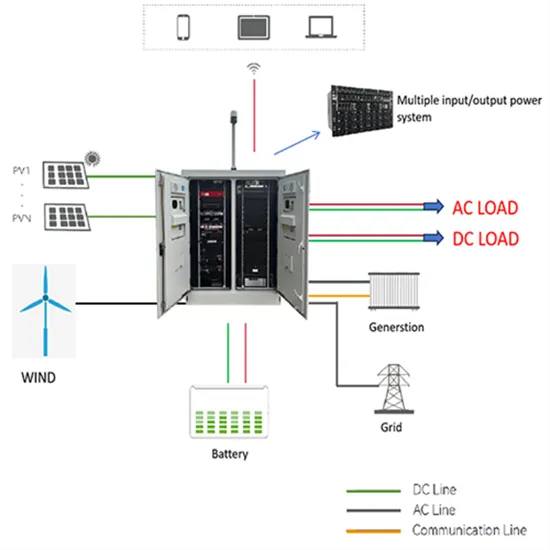
An indoor photovoltaic energy cabinet is a solar-powered backup brain for telecom sites. Engineers achieve higher energy efficiency by. . Integrates solar input, battery storage, and AC output in a compact single cabinet. Offers continuous power supply to communication base stations—even during outages. Remote diagnosis, performance tracking, and fault alerts through intelligent BMS. Versatile capacity models from 10kWh to 40kWh to. . Somewhere in the background, likely baking in the sun or enduring a blizzard, is an outdoor photovoltaic energy cabinet and a telecom battery cabinet, quietly powering our digital existence non-stop. Explore reliable, and IEC-compliant energy storage systems designed for renewable integration, peak shaving, and backup power. . When selecting a 1MW battery storage system, prioritize energy capacity, round-trip efficiency, cycle life, and safety certifications—especially if integrating with solar or grid-tied. Configured with a rack-mounted modular PCS, it supports parallel connection of multiple machines and has good. . EK photovoltaic micro-station energy cabinet is a highly integrated outdoor energy storage device.
[PDF Version]
Skopje, 5 August 2023 (MIA) - The new renewable energy power plants constructed over the past 19 months can provide electricity to nearly 120,000 households, according to the Energy and Water Services Regulatory Commission (ERC). The project will pursue these aims by assisting the City of Skopje in implementing a. . The joint programme is expected to start in April 2022, after the completion of the design and pre-feasibility phase in 2021. The catch? Wind energy is as unpredictable as a cat on a keyboard. That's. . Financing agreements totaling €36. Although climate change is a natural process that has been happening ever since our planet was created, human activities now influence the climate with unpredictable consequences.
[PDF Version]
Today, renewables account for less than 1% of Kuwait's electricity generation, but the country aims to grow that to 15% by 2030, with natural gas serving as a crucial transitional fuel. However, Rystad Energy analysis shows this lofty target could be out of reach. . Kuwait is grappling with relentless heat, aging infrastructure and unplanned power outages, prompting major investments in grid reliability. Their growing. . Renewables are an increasingly important source of energy as countries seek to reduce their CO2 emissions and dependence on imported fossil fuels. The final chapter of this report suggests a more sustainable path forward, but it will take a committed effort on the part of the. . Greenhouse gas emissions, primarily from the energy sector, are causing global warming & have an impact on natural ecosystems. As such, there is a worldwide movement to transition to a less carbon-intensive energy system.
[PDF Version]
Bioenergy is a type of that is derived from plants and animals. The that is used as input materials consists of recently living (but now dead) organisms, mainly plants. Thus, are not regarded as biomass under this definition. Types of biomass commonly used for bioenergy include wood, food crops such as corn, and waste from forests, yards, or farms. Bioenergy can al.
[PDF Version]
Renewable energy (also called green energy) is energy made from renewable natural resources that are replenished on a human timescale. Bioenergy and geothermal power are also significant in. . To meet our global target of tripling renewable energy capacity by 2030, we need to move fast and ensure the expansion of renewable energy benefits both people and nature. Leveraging science, policy and strategic collaborations with communities, governments and other partners, TNC is advancing. . Uncover the latest and most impactful research in Renewable Energy. As strategic advisor to some of the world's largest companies, we lead the development of post-2020 corpo ate strategies, biodiversity metrics, science-based targets, and sustainable supply chains. primary energy consumption by. .
[PDF Version]
 Menu
Menu